Step-By-Step: What You Can Expect From a Trusted SEO Audit Service for WordPress
A expert WordPress SEO audit service provides a methodical method to assessing a web property's search engine optimization. It pinpoints advantages and shortcomings, concentrating on key areas such as technical SEO, content quality, and user experience. Understanding what to expect from this evaluation can help webmasters make well-considered determinations. Nevertheless, many may wonder what particular factors are necessary for an thorough audit and how these discoveries can lead to meaningful advancements.
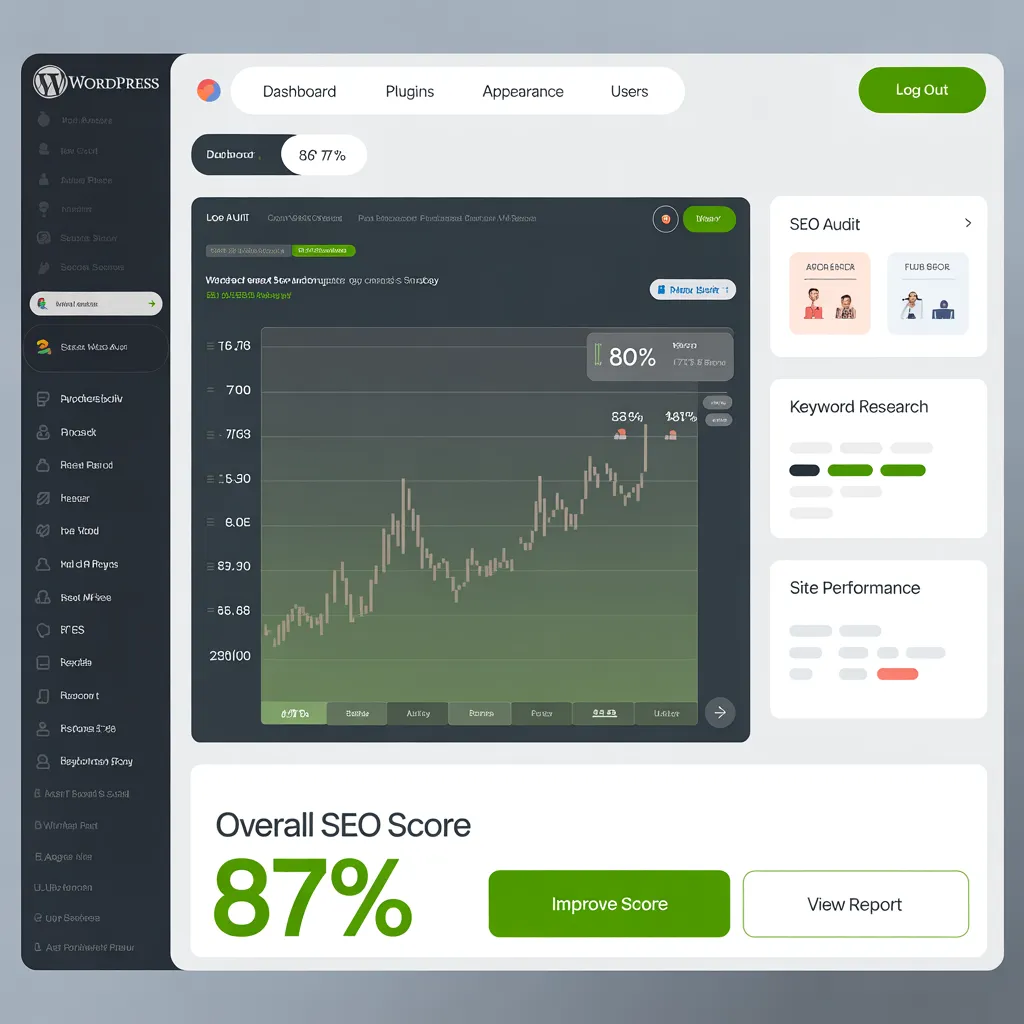
What Is a WordPress SEO Audit and Why Is It Important?
A WordPress SEO assessment is a thorough examination of a site's SEO effectiveness, aimed at revealing areas that need attention. This process includes evaluating various elements of the website, including keyword implementation, content effectiveness, site speed, and mobile responsiveness. By assessing these aspects, a detailed audit highlights strong points and areas for improvement, guiding website owners in improving their ranking on search platforms.
An SEO audit is significant because of its capacity to identify underlying problems that may hinder a site's performance. Search engines regularly update their algorithms, making routine audits critical for preserving top search positions. Furthermore, a well-executed audit can lead to better user experience and a boost in organic traffic, ultimately driving conversions. It serves as a roadmap for strategic improvements, empowering organizations to maintain their edge in a rapidly changing online marketplace. Routine audits confirm that a website adheres to established best practices and the evolving expectations of users, fostering long-term growth.
Key Components of a Comprehensive SEO Audit
A thorough SEO audit encompasses numerous key components necessary for improving a website's functionality. Among these, a detailed technical SEO analysis confirms that the site's foundation enables search engine discoverability, while a content quality review measures the appropriateness and impact of the site's information. Together, these components offer a strong framework for enhancing overall SEO planning.
Technical SEO Evaluation
Technical SEO analysis serves as the backbone of an in-depth SEO audit, making certain that a website is designed for peak performance and search engine discoverability. This analysis focuses on essential factors such as loading speed, mobile responsiveness, and secure protocols (HTTPS). It evaluates the website's architecture, including URL formatting and internal linking, to enhance navigation for both users and search engines. Furthermore, it evaluates the presence of XML sitemaps and robots.txt files, which guide search engine crawlers. Accurate indexing and crawlability are also reviewed to avoid potential issues that may restrict search visibility. By identifying and rectifying technical issues, this analysis lays the groundwork for better rankings and user experience, making it an essential component of any SEO audit.
Content Quality Assessment
After reviewing technical components, the content quality review assesses how well a website's content fulfills both user needs and search engine standards. This assessment concentrates on several key factors, including engagement, relevance, and originality. Content must effectively address target audience queries and deliver valuable insights. Additionally, it is crucial to examine keyword usage, ensuring that keywords are embedded naturally without diminishing readability. The audit also analyzes content structure, including bullet points, headings, and images, which improve user experience. Moreover, evaluating content freshness is critical, as stale information can harm search rankings. In conclusion, a thorough content quality assessment seeks to harmonize content strategy with SEO best practices, driving greater visibility and user satisfaction.
On-Page Elements to Evaluate in Your WordPress SEO Audit
Assessing on-page elements is critical for enhancing a WordPress site's SEO effectiveness. Important components include page titles, which should be detailed and include relevant keywords to boost online visibility. Page descriptions also play an important role, as they deliver a concise outline that can affect user engagement rates.
Header tags such as H1, H2, and beyond need to be applied thoughtfully to arrange content systematically and signal importance to web crawlers. Moreover, optimizing images using alternative text tags provides user accessibility and aids in SEO rankings.
Internal linking approaches are vital, as they assist in spreading page authority and directing users across the site. URL structure should be clean and keyword-rich to improve user experience and search engine understanding.
Lastly, mobile-friendliness and page loading speed are critical, as they directly impact user engagement and search rankings. Tackling these on-page elements can significantly improve a WordPress site's overall SEO effectiveness.
How Technical SEO Impacts Your Site's Performance
Although numerous elements of SEO emphasize content and user experience, the technical components of a website play a crucial role in shaping its overall performance. Technical SEO includes several key components, among them site speed, mobile-friendliness, and correct indexing. A well-optimized website guarantees that search engines can easily crawl and understand its structure, leading to better visibility in search results.
Factors such as secure HTTPS connections and structured data implementation enhance user trust and search engine interpretation, respectively. Moreover, adapting content for mobile platforms is vital, due to the rising number of visitors reaching websites through mobile devices. A well-organized site structure, including clear URLs and a structured sitemap, also assists in navigating both users and search engines. At its core, ignoring technical SEO can cause delayed load times, insufficient indexing, and likely ranking penalties, considerably diminishing a website's overall impact and presence in the online environment.
Examining Off-Page SEO Elements and Their Effect
How does off-page SEO influence a website's authority and online visibility? Off-page SEO covers a wide range of external factors that shape a site's reputation and position in search results. Primary components consist of backlinks, social media engagement, and online mentions. Quality backlinks from authoritative sites enhance credibility, signaling to search engines that the content is valuable and trustworthy. Conversely, poor-quality links can harm a site's standing.
Social media activity plays a significant role to off-site SEO efforts. Regular interaction on learn the details social media platforms can generate traffic and encourage community engagement, increasing brand awareness. Moreover, mentions of your brand across the internet, even without direct links, can bolster a site's perceived authority.
Web crawlers consider these external ranking factors when determining site rankings, making them vital for visibility. A thorough review of these components during an SEO audit can identify advantages and shortcomings, guiding strategies to boost general performance and online authority in a competitive landscape.
How to Leverage Your SEO Audit Results for Website Optimization
Utilizing the insights gained from an SEO audit can significantly enhance a website's overall results. Upon identifying weak points, website owners should concentrate on concrete adjustments based on their audit discoveries. This encompasses refining on-page factors such as title tags, meta descriptions, and header tags to match specific keywords.
In addition, optimizing site performance and mobile responsiveness can considerably enhance user experience and search engine positions. Tackling technical errors, like broken links and XML sitemap errors, is also critical for maintaining a healthy website.
Content quality is a critical factor that must not be ignored; improving current content and developing fresh, valuable resources can boost organic traffic.
Additionally, monitoring progress through analytics tools can assist in assessing the efficiency of applied modifications. By comprehensively managing these elements, web managers can ensure their site stays competitive and relevant in search engine result pages.
Getting Your Website Ready for an SEO Audit
Preparing a website for an SEO audit includes important steps to guarantee a efficient process. Initially, backing up website data safeguards against potential loss during the audit. Additionally, establishing key performance metrics offers a solid framework for assessing the site's current SEO performance.
Safeguard Your Website Data
Creating a backup of website data is a critical step in the search engine optimization audit process. This measure ensures that all content, parameters, and configurations are properly saved before any changes are made. Should there be unexpected issues during the audit, having a comprehensive backup enables quick restoration, minimizing downtime and data loss. Various methods exist for creating WordPress site backups, including using plugins, manual backups via FTP, or relying on hosting provider services. Every approach offers its own benefits, and website owners should choose one that suits their technical capabilities and objectives. By emphasizing the importance of data backup, organizations can conduct the SEO audit with assurance, knowing their content is secured throughout the assessment process.
Define Key Performance Metrics
Establishing critical performance benchmarks is fundamental for a effective SEO audit. These metrics provide reference points for measuring a website's performance and recognizing weak points. Commonly used metrics include organic traffic, bounce rate, conversion rate, and keyword rankings. Examining these indicators allows webmasters to determine advantages and shortcomings in their SEO approach.
Additionally, tracking metrics such as page load time and mobile responsiveness can assist in guaranteeing superior user experience. By setting well-defined, trackable targets, website owners can more effectively evaluate the impact of their SEO efforts. Regularly reviewing these metrics enables informed decision-making and drives continuous improvement, ultimately leading to improved search visibility and greater web traffic. Thorough identification of these metrics is an essential step in getting ready for a detailed SEO audit.
Commonly Asked Questions
What Is the Typical Duration of a Professional SEO Audit?
An expert SEO audit usually spans approximately one to two weeks, based on the website's complexity and the level of analysis needed. Elements that affect the timeline encompass the overall size of the site, the volume of pages, and the precise SEO factors being assessed. In some cases, a more thorough audit may extend beyond two weeks, particularly if extensive reporting or recommendations are needed to enhance the site's performance in search engine rankings.
What Are the Costs Associated With an SEO Audit Service?
The costs associated with SEO audit services can differ significantly based on factors such as how complex the website is, the comprehensiveness of the audit, and the agency's expertise. On average, fees range from $300 to $5,000. Smaller websites may incur lower fees, while larger or more competitive sites might result in higher costs. Extra offerings like continued consultations or hands-on implementation can further affect the overall pricing.
Am I Able to Carry Out an SEO Audit on My Own?
Indeed, you can conduct an SEO audit by themselves. Many resources and tools are accessible on the internet to assist in analyzing website effectiveness, keyword relevance, and technical factors. That said, while DIY audits can provide valuable insights, they could be missing the comprehensiveness and skill that seasoned specialists bring. A comprehensive knowledge of SEO practices is critical to accuracy, and personal audits risk missing significant concerns that might be uncovered by qualified practitioners.
How Frequently Should I Perform an SEO Audit?
An SEO audit should typically be conducted at least twice a year to make certain that website performance stays at its best and to stay aligned with algorithm updates. However, more frequent audits, such as quarterly or even monthly, may be beneficial for websites undergoing significant changes or those in competitive industries. Routine audits are effective in uncovering issues, refine strategies, and enhance overall search engine visibility, guaranteeing the site continues to meet best practices and visitor expectations.
What Tools Do SEO Professionals Use for Audits?
Specialists make use of several tools for SEO audits, including GA for analyzing website traffic, SEMRush for monitoring keywords, and Ahrefs tool for evaluating backlinks. Moz provides valuable data on website authority, while Screaming Frog offers in-depth website crawling. Moreover, platforms including GTmetrix and PageSpeed Insights assess page performance. Collectively, these resources enable professionals to pinpoint opportunities for enhancement, making certain that websites are tailored for enhanced search engine performance and overall user experience.